
Propane
The flame went low. Regulator or hose?
A grill that suddenly burns at candle height is usually not broken. Work through the free checks before you buy anything.
Written on the bench, checked 2026-10-17
Start with the excess flow device, because it is free
The connector on a modern barbecue tank contains an excess flow device. Open the tank valve quickly while a burner valve is already open and it reads the rush of gas as a cut line, then throttles down to a trickle on purpose. The grill lights, the flame is tiny, and nothing is actually damaged.
Resetting it is a fixed sequence. Turn every burner knob off. Close the tank valve. Unscrew the hand wheel and lift the hose off. Wait about half a minute, reconnect it hand tight, then open the tank valve slowly, one slow turn, with the burners still off. Now light as normal. If full heat comes back, that was the whole problem, and it will keep happening until you make the slow opening a habit.
Check the tank before you blame the hardware
A tank low on liquid propane cannot keep up on a cold day, because the fuel has to boil off inside the cylinder to feed the burners. On a January afternoon a nearly empty tank will run one burner and fade under three.
Weigh it or slide a warm hand down the side and feel for the cold band where the liquid line sits. A tank with almost nothing in it behaves exactly like a failing regulator and costs nothing to rule out.
Now separate the hose from the regulator
If the reset does not hold and the tank is full, the next question is whether gas is being blocked or being reduced. Blockage is more common than failure, and it is usually a spider or a mud wasp that built a nest in a burner tube over the winter.
Pull each burner and look down the venturi opening at the front. A plug of web and dust in there starves that burner while the others run fine, which is the pattern to watch for. A failing regulator does the opposite. It pulls every burner down at once, and it does it whether the grill is cold or hot.
- One burner weak, the rest normal: blockage in that tube or its port holes.
- All burners weak, and the reset does not help: regulator.
- Weak only when the tank runs low or the weather turns cold: fuel, not hardware.
- Flame yellow and lazy with soot on the lid: air mixture or an obstruction, not pressure.
Hose or regulator, and how they are sold
On most grills the two arrive as one piece. The regulator sits at the tank end and the hose runs from it to the manifold, and replacing the assembly is one part rather than two.
That works in your favor. A cracked hose and a tired regulator get fixed by the same purchase, so once you have ruled out the excess flow device, the tank, and a nest in a burner tube, swap the assembly and stop diagnosing. Cracks along the outside of the hose or a jacket that has gone hard and shiny are reason enough on their own.
One thing not to do
Do not keep relighting a grill that smells of gas and will not run. Close the tank valve, leave the lid open, and find the leak with soapy water before you try again. If soapy water keeps bubbling at a joint you have already reseated, the part is done and it is worth replacing rather than tightening.
From our bench
What we make for this
Everything below comes off the same shelf the note is about.
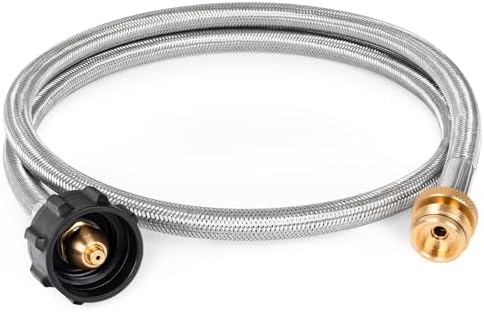
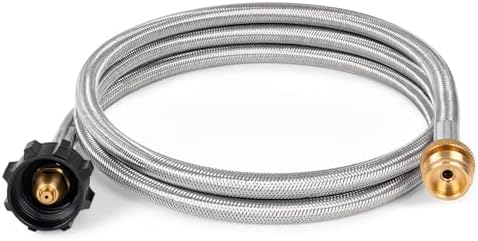
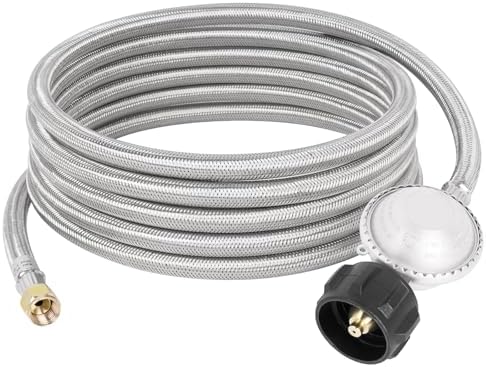
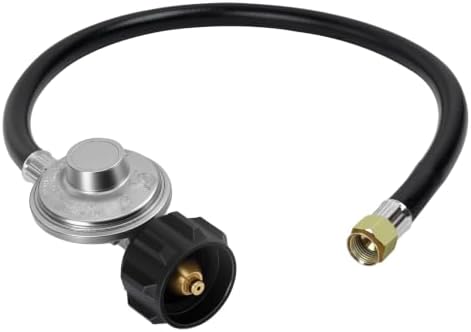
Prices come off the live listings, so they go stale without warning.
Read next
- Covers
Measure the grill before you buy a cover
Three numbers decide whether a cover sits right or flaps loose all winter. Here is where to put the tape and what to do with the readings. - Propane
QCC1, Type 1, and what screws onto what
Propane fittings have two ends and they answer to different names. Sorting the tank end from the appliance end takes about a minute and saves a return trip. - Inside the cookbox
Flavorizer bars and heat plates: when to swap them
Every gas grill has angled metal between the burners and the food. It goes by half a dozen names and it is meant to be replaced.